Translating culture
Storytelling that goes beyond visibility: using local insight to make brands and causes genuinely relevant to the people they're meant to reach, proven across advertising, conservation work, and a nine-year project that helped bring Vietnamese art back into public life.
About the work
-
I started my career in advertising agencies, writing for brands that perpetually competed for attention, where I learned how to say things people actually want to hear. Five years across Leo Burnett and Time Universal Communications gave me that grounding. Leo Burnett is where I first learned to develop and execute ideas across multiple channels, sectors, and audiences. At Time Universal, I built and led Hanoi's first standardised creative department, growing the agency's output from website design into fully integrated campaigns.
-
My creative formula has stayed consistent since: insight first, then a genuinely local element to make the work stand out. Translating a brand, a cause, or an idea into something a localised audience actually recognises as their own is the work; the concept only comes after that translation is right. That discipline separated the work I'm proudest of from gimmicks built around a clever idea rather than an observation.
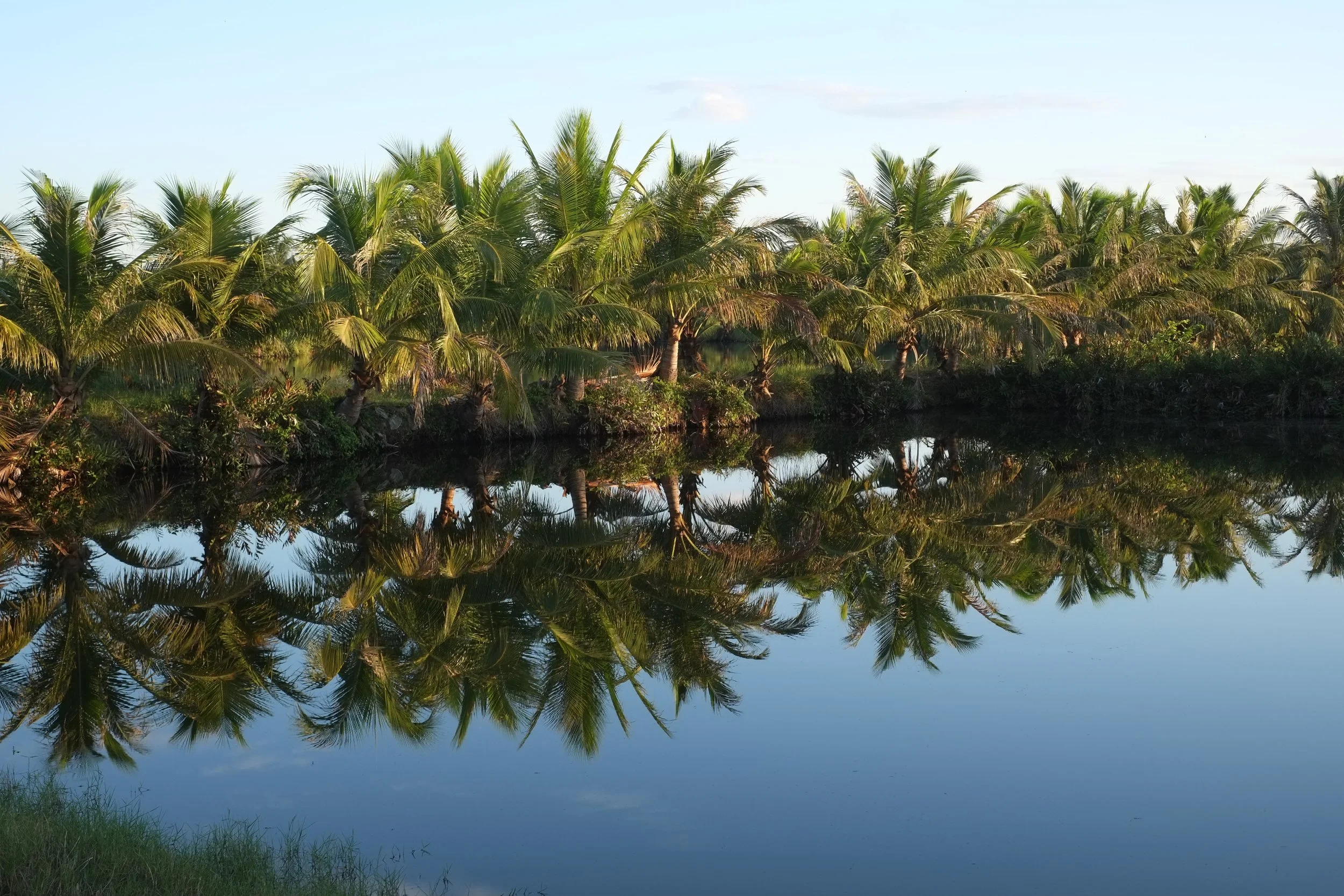
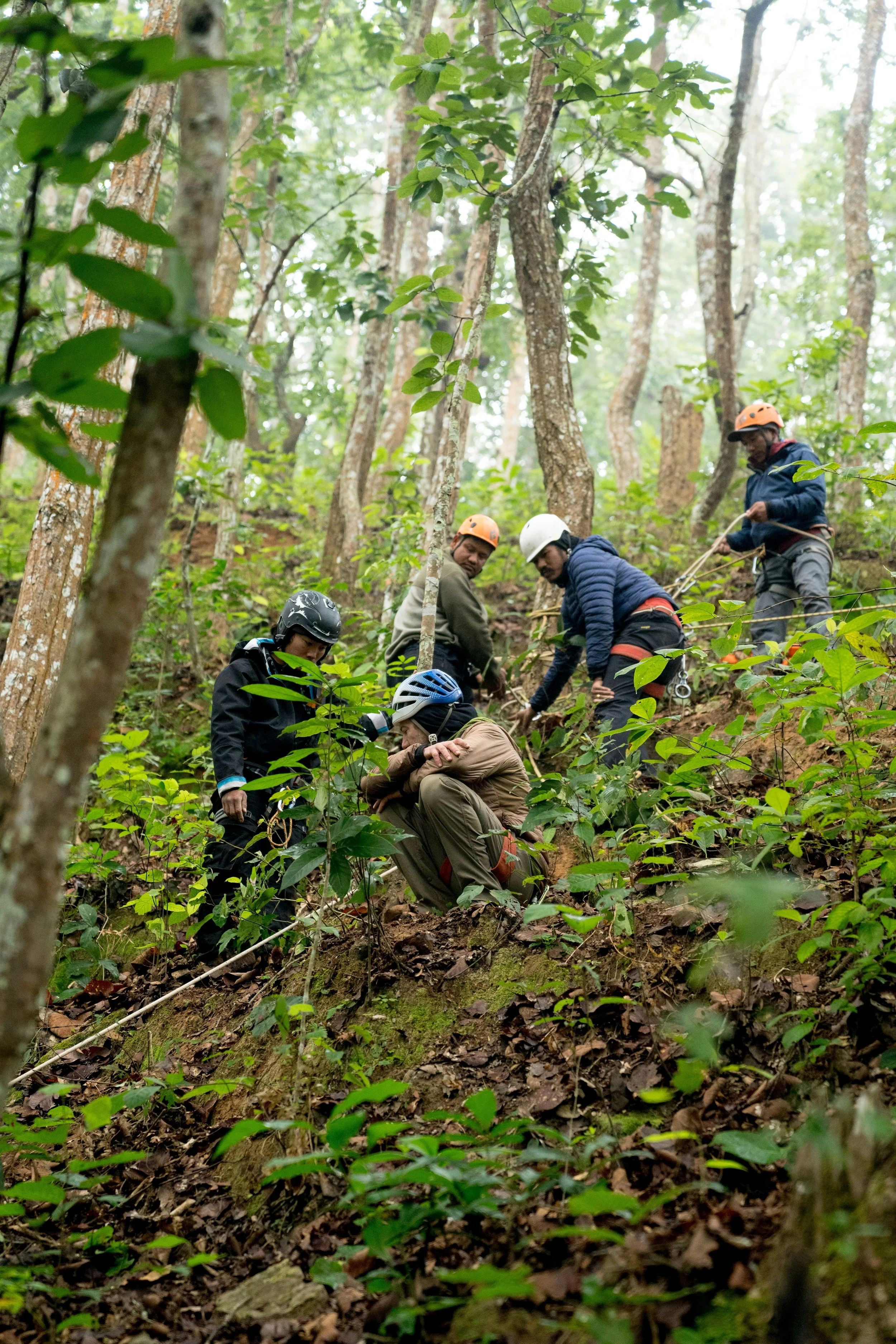
This approach showed up across different projects: building McDonald’s Vietnam's first drive-thru launch around the fact that most Vietnamese commute by motorbike, not car; helping a local wildlife conservation group channel forest conservation in Quang Binh into products people would buy instead of an appeal for donations; or framing a CSR reforestation campaign at U Minh Thuong around the swamp forest's own local ecological identity. The same formula applied to work I’ve done with clients ranging from global brands including Samsung, Canon, InterContinental, Pfizer, and Coca-Cola, to development-sector partners like WWF, to homegrown challenger brands like Seeson.
-
The McDonald's drive-thru campaign broke a world record with more than 15,000 vehicles served in 24 hours, and the CSR campaign at U Minh Thuong planted 15,000 native melaleuca trees across a hectare of peat swamp forest, projected to lock in 240 tonnes of CO₂e over ten years. More broadly, that same insight-led approach has helped brands I’ve work with reach and engage with millions of people. Early recognition came industry-wide for me: a Bronze at Spikes Asia in 2015 and Hanoi's first-ever Vietnam Young Spikes win in 2016.
But the longest-running example (and my personal favourite) turned out to be a side project: in 2017, two friends and I set out to revive Vietnam's interest in our own 20th-century art. The campaign ran for nine years and spoke to a monthly audience of close to 300,000 people. The modern art scene has come back to life and taken hold in public imagination: news outlets actively dig through archives to write special features, galleries report higher foot traffic, and brands across the country regularly draw on modern-art references in their own campaigns. Our little niche interest project became part of popular culture.
-
What I care about most, looking back at this work, is that the brands and causes I've worked with have stayed relevant the people they were talking to, past the launch or sale moment, by way of impact. I never wanted to just be louder than the competition. And that's the case this body of work makes for the industry itself: communications can't be an afterthought slapped onto a strategy at the end. It must help shape strategy from the beginning. Only then, the work stops being just advertising and starts creating actual change.